I’m a PhD candidate in Linguistics at the University of Maryland, working with Ellen Lau and Colin Phillips. My research investigates how different kinds of linguistic information—morphosyntactic structure and morphophonological form—are planned in production and retrieved during sentence processing, and how mismatches between them drive errors and create illusions in production and comprehension. I also work in formal properties of case and adjectival morphophonology, as well as question semantics and embedding facts.
I recently visited UMass to work with Shota Momma and Faruk Akkus. Previously, I received my MA from Boğaziçi University (advisor: Pavel Logačev) and was a visiting researcher at Masaryk University (advisor: Pavel Caha).
My favorite food is gata with koritz and my favorite icecream flavor is saffron and rose (5pm snack of Anthony Bourdain). In my freetime, I like doing calligraphy.
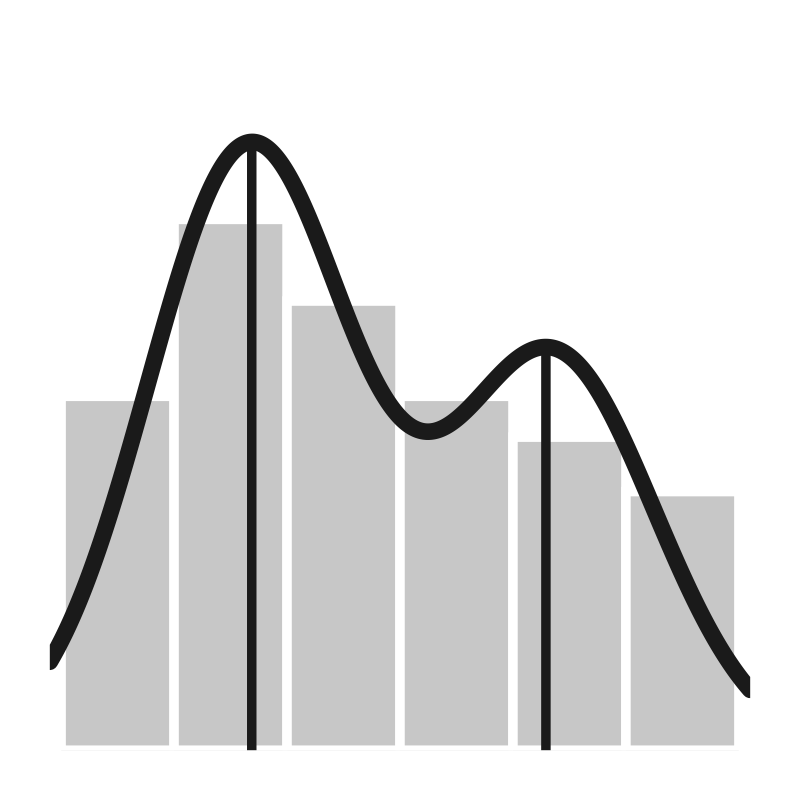
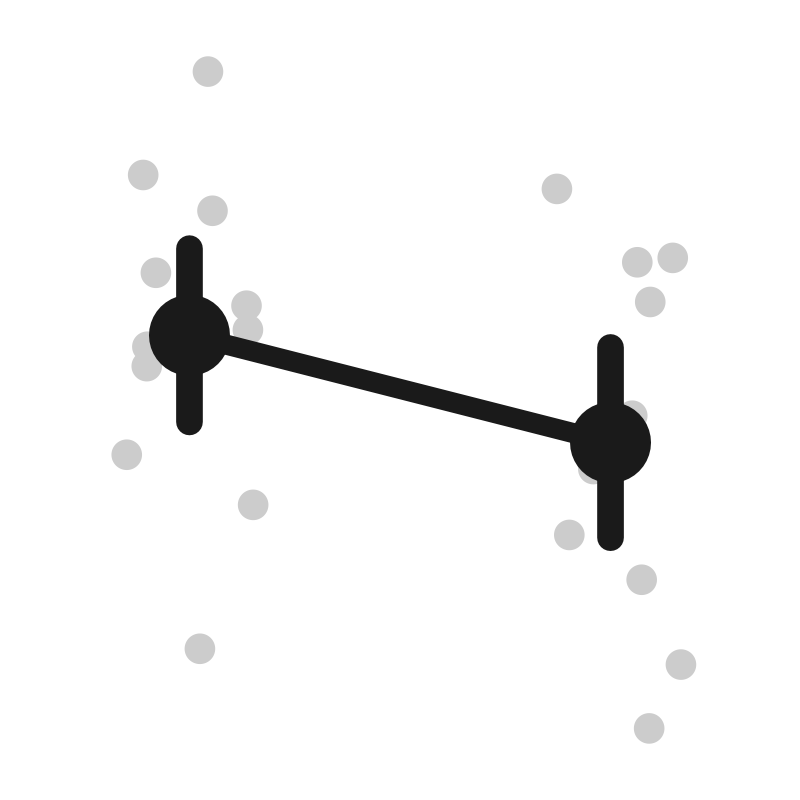
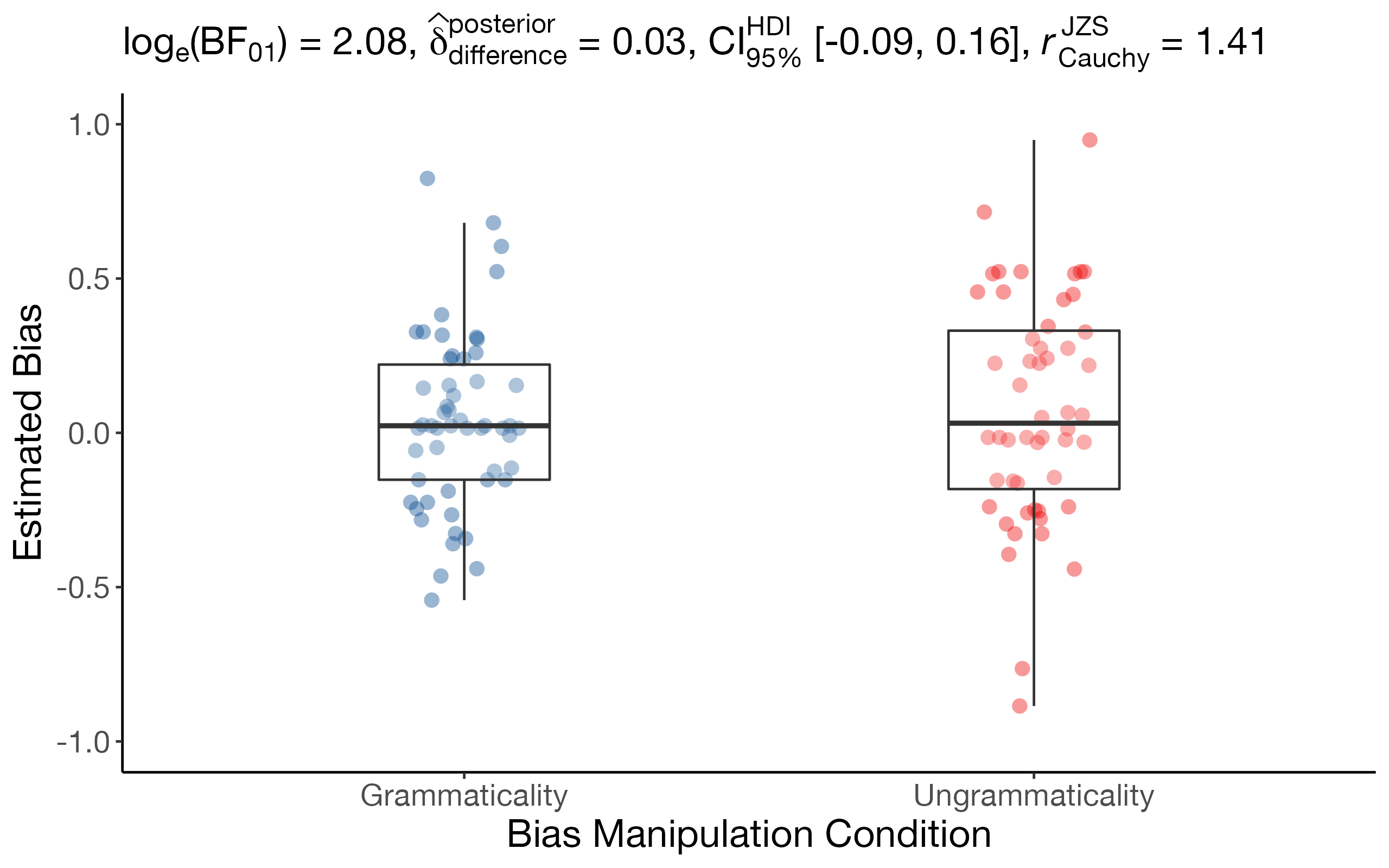
really tired of people telling me 'you do not know turkish' (i am a native turkish speaker). so i set out to check whether there are two grammars in plural marking in turkish. i built jammalamadaka & jin's (2021) mode test from scratch in r, and tested bimodality in grammaticality judgments.
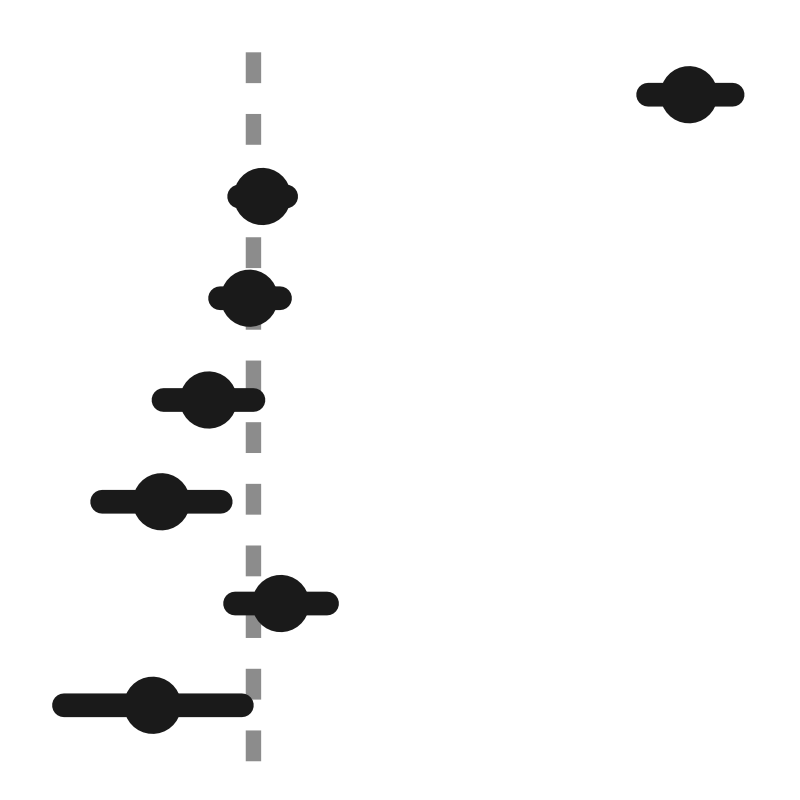
i want both tables and the coefficient whisker plots, but i dont like how many things just cut through the text. i wrote an automated script that makes nice tables with whisker plots in tikz
experiments are *necessary* and quite often *not misleading*, our blind trust in them is misleading. and I do not think the answer lies in being more careful with your stats, though that is also a must.